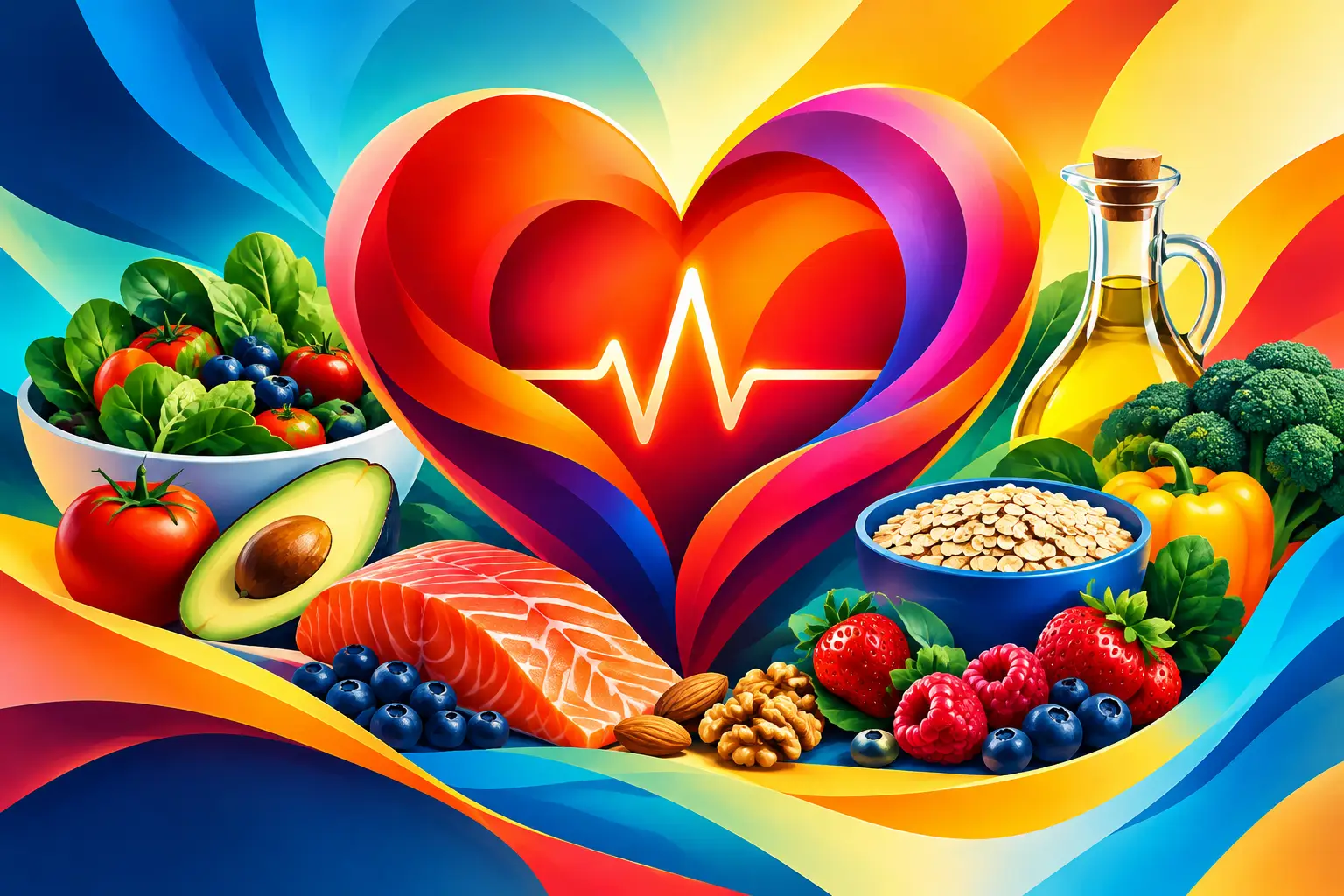
A heart healthy diet does not require a separate menu from the rest of your family or a refrigerator full of specialty foods. It is built from practical choices made consistently: the breakfast you grab before work, the way you season dinner, and the snacks available when the afternoon gets busy. For many Middle Georgia families, the goal is not perfection. It is creating eating habits that support heart health while fitting real schedules, budgets, and favorite foods.
Your heart and blood vessels are affected by many factors, including family history, blood pressure, cholesterol, blood sugar, activity level, sleep, tobacco use, stress, and medications. Food is one meaningful part of that picture. A primary care provider can help you understand which changes may be most helpful based on your personal health history and screening results.
What a Heart Healthy Diet Focuses On
Rather than centering on a short list of foods to avoid, a heart healthy diet emphasizes foods that provide fiber, vitamins, minerals, and unsaturated fats. These choices can support healthy cholesterol levels, blood pressure, weight management, and steady energy when paired with regular activity and appropriate medical care.
Most meals can begin with a simple question: what can I add that is less processed and more nutrient-dense? Adding vegetables to a pasta dish, choosing fruit with breakfast, or including beans in a soup can improve the overall quality of a meal without making it unrecognizable.
A helpful pattern includes vegetables and fruits, whole grains, beans, nuts, lean proteins, and healthy fats. It also limits foods high in sodium, added sugar, saturated fat, and highly refined carbohydrates. Limiting does not mean never eating them. It means making them occasional choices rather than everyday foundations.
Build Meals Around Foods That Support Heart Health
Choose more plants and fiber-rich foods
Vegetables, fruits, beans, lentils, oats, brown rice, whole-grain bread, and other whole grains provide dietary fiber. Fiber can help you feel full after meals and may support healthy cholesterol and blood sugar levels. Fresh, frozen, and no-salt-added canned vegetables can all work well. Frozen produce is often a convenient option when fresh items may spoil before you can use them.
For families, small changes tend to last longer than a complete pantry overhaul. Try serving fruit with breakfast, adding a vegetable to lunch, or replacing one refined grain each day with a whole-grain option. If you are not used to eating many high-fiber foods, increase them gradually and drink adequate water to reduce digestive discomfort.
Include protein with less saturated fat
Protein is essential, but the source matters. Fish, skinless poultry, beans, lentils, eggs, tofu, and low-fat dairy can fit into a heart-conscious eating pattern. Fish, especially varieties higher in omega-3 fats, can be a good alternative to fried or heavily processed meats.
Red meat does not have to disappear entirely, but portions and frequency matter. When you choose beef or pork, select leaner cuts and prepare them by baking, grilling, roasting, or sautéing instead of frying. Processed meats such as bacon, sausage, hot dogs, and deli meats are often high in sodium and saturated fat, so they are best kept for less frequent meals.
Use fats wisely
Not all fats affect the body in the same way. Foods such as olive or canola oil, avocados, nuts, seeds, and certain fish provide unsaturated fats. These can replace, rather than simply be added to, foods high in saturated fat.
For example, use olive oil for roasting vegetables instead of butter, add a small handful of unsalted nuts to a snack, or choose avocado on a sandwich in place of extra mayonnaise. Portion size still matters because oils, nuts, and nut butters are calorie-dense. A heart healthy diet is about balance, not unlimited amounts of foods labeled healthy.
Sodium Is Often the Hidden Challenge
Many people think sodium only comes from the salt shaker. In reality, much of it comes from packaged foods, restaurant meals, canned soups, sauces, frozen entrées, snack foods, and processed meats. Too much sodium can contribute to high blood pressure, a condition that often has no noticeable symptoms.
Start by reading food labels and comparing similar products. A lower-sodium soup, broth, pasta sauce, or canned bean can make a meaningful difference over time. Rinsing canned beans and vegetables may also reduce some sodium. At home, build flavor with garlic, onion, herbs, lemon, vinegar, pepper, paprika, or salt-free seasoning blends.
Restaurant meals can be especially challenging because portions are often large and sauces may contain significant sodium. You do not have to avoid dining out. Consider requesting sauces and dressings on the side, choosing grilled options when available, and saving half of a large meal for another day. These adjustments can help without taking the enjoyment out of a meal with friends or family.
Make Changes That Work on Busy Weeks
A carefully planned menu can fall apart after a long workday, a child’s practice, or an unexpected illness. Planning for those moments is often more valuable than trying to follow a perfect meal plan.
Keep a few dependable options on hand: frozen vegetables, eggs, low-sodium canned beans, whole-grain pasta, tuna or salmon, plain yogurt, fruit, and unsalted nuts. A quick dinner might be a baked chicken breast with frozen vegetables and brown rice, or a bean-and-vegetable soup with a side salad. Convenience is not the problem. The key is choosing convenient foods that still support your goals.
Pay attention to beverages as well. Sweet tea, regular soda, sweetened coffee drinks, energy drinks, and fruit-flavored beverages can add a large amount of sugar without providing much fullness. Water is usually the best everyday choice. Unsweetened tea, sparkling water, or water flavored with lemon or fruit can offer variety.
When Your Plan Needs to Be More Personal
General nutrition guidance is useful, but some people need a more individualized approach. If you have high blood pressure, high cholesterol, diabetes, kidney disease, heart disease, or a history of stroke, your food choices may need to account for medications, lab results, and other health concerns.
For example, potassium-rich foods are often encouraged for blood pressure, but they may not be appropriate for everyone with kidney disease or for people taking certain medications. Similarly, someone managing diabetes may benefit from paying closer attention to carbohydrate portions and meal timing. This is why routine checkups and screening tests matter. They help identify risks early and provide a clearer starting point than nutrition advice alone.
Sudden chest pressure, shortness of breath, fainting, pain spreading to the arm, jaw, back, or neck, or other concerning symptoms should be treated as urgent medical concerns. Nutrition supports long-term health, but it is not a substitute for prompt evaluation when symptoms occur.
A Sustainable Place to Start
Choose one change you can repeat this week. It may be packing fruit for work, replacing a processed lunch with leftovers twice a week, cooking with less salt, or adding beans to one dinner. Once that choice becomes routine, build on it.
At RV Primary Care, personalized and holistic care includes helping patients understand the everyday habits connected to blood pressure, cholesterol, weight, and long-term wellness. A conversation with your primary care provider can turn broad nutrition advice into a plan that respects your health needs, family routines, and goals.
The best heart-supporting meal plan is not the strictest one. It is the one you can return to, meal after meal, even when life gets busy.